


Banana cake, stirred and simple, shamelessly basic, is one of my favorite desserts. It satisfies the craving for something sweet in record time—from the moment you decide to bake until it's served, only 32 minutes pass. Try me.
- Chraime: The Complete Recipe for Spicy Fish Stew, Made Easy
- Ezogelin Soup: The perfect recipe
- Turkish Stuffed Zucchini – Kabak dolmasi
Conceptually, this recipe is based on a classic American Banana Bread, an almost-instant cake that my mother used to bake in a heart-shaped form when I was a child.
I created my variation at age 20, during a late-night drinking session with friends. It was a mix of overripe bananas crying out for mercy, two recipes I found on the early-days internet, and a bit of resourcefulness.
My recipe became a hit in our dorms while I was an exchange student on the Erasmus program at the University of Konstanz, Germany. It is embarrassingly easy to make; I know the measurements by heart, simply because there are so few ingredients. To this day, aside from stuffed vegetables, this is the recipe people ask me for most often.
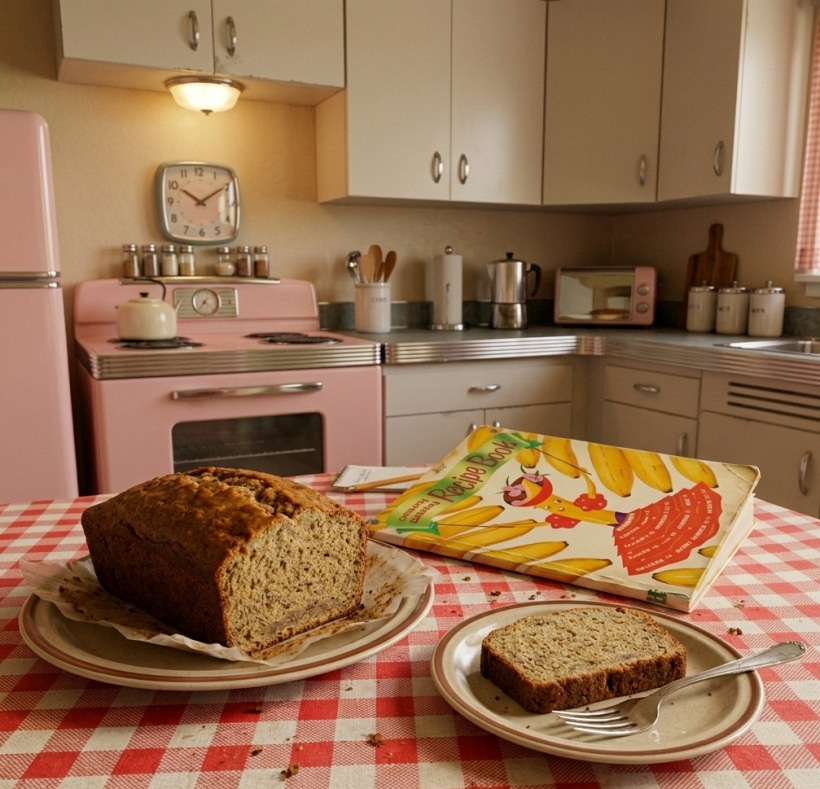
Banana bread, banana pound cake (Image: Rex Industries)
So, what’s your story, banana cake?
Until the late 19th century, bananas were a rare and expensive luxury in the Western world. By the early 20th century, the invention of refrigerated ships and plantation railways made them affordable and widely available. Because they ripen and spoil so quickly, a solution was needed for bananas that had turned black—and thus, banana cake was born.
The Great Depression of 1929 was the ultimate turning point for the recipe. At the time, throwing away food was almost considered a sin, so home cooks found creative ways to use mushy, brown bananas. The texture of overripe bananas turned out to be an excellent substitute for fat and sugar, adding natural moisture and sweetness to baked goods.
Banana bread is called so because it's Quick Bread, a category now known as pound cakes. This style emerged in the mid-19th century with the commercial launch of baking powder and baking soda. Companies producing these leavening agents distributed recipe booklets to encourage their use, and Pillsbury is credited with the first printed stirred banana cake recipe in 1933.
 Where banana cake began: Plantations in Central America (Image: Rex Industries)
The Chiquita Recipe Book
Banana bread officially joined the American culinary canon in 1950, following the publication of Chiquita Banana's Recipe Book, a marketing move that its study case is still studied in business schools today. The cookbook transformed bananas from exotic fruits into a household staple.
The book leveraged the success of the Chiquita Banana cartoon character, who debuted in 1944 in radio jingles and ads. Dressed as a Latin dancer, she made the tropical fruit approachable. The free, colorful, and friendly booklet featured dozens of recipes, but the banana bread was the breakout star, an improved, surprisingly easy version of the Pillsbury original, that delivered consistently immaculate results.
Over the years, Chiquita became a disreputable figure in its homeland and Latin America. During the first two thirds of the 20th century, the owners of the brand, United Fruit Company (later rebranded as Chiquita to escape its reputation), held immense power over Central America and its governments (giving rise to the term Banana Republic), facing accusations of forced labor and land exploitation. The cookbook was a PR effort to soften their corporate image.
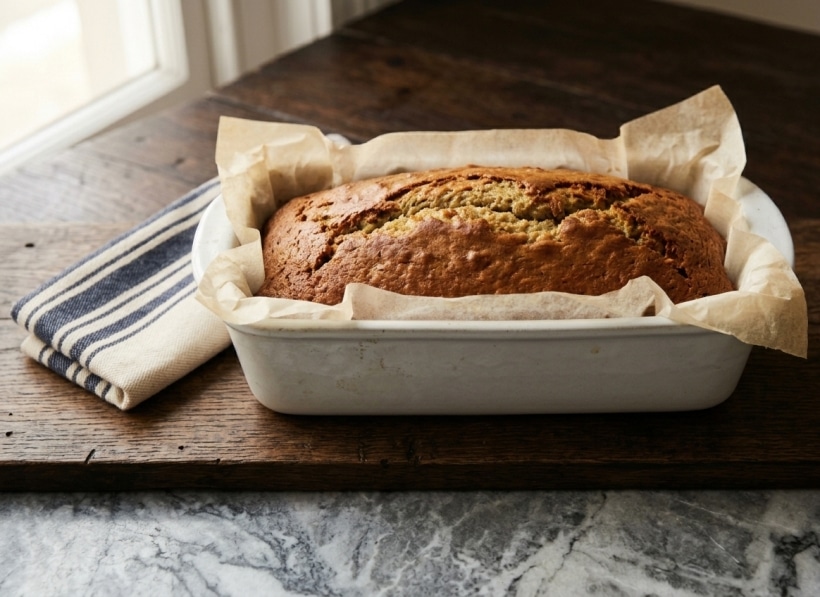
Stirred Banana Cake – Banana Bread
A recipe by Roy Yerushalmi.
My friends and I call this cake Rotten Banana Cake, and for good reason: the riper the bananas, the better the result.
I’m not a fan of over-complicating things (nuts in cake? yuck!), but if you’re feeling fancy, you can add chocolate chips.
Ingredients for a standard loaf pan:
3 medium bananas (the riper, the better), coarsely mashed
1/2 cup sugar
30 gram melted butter (or 1/4 cup vegetable oil)
1 sachet (10 grams) baking powder
3/4 cup flour
1 large egg or 2 medium
Preparation:
Mix all ingredients together just until the mixture is slightly lumpy. Do not over-mix; the batter should not be perfectly smooth.
Transfer to a well-greased loaf pan lined with parchment paper.
Bake in a preheated oven at 180°C for 30 minutes, or until a toothpick comes out dry.